
About this book
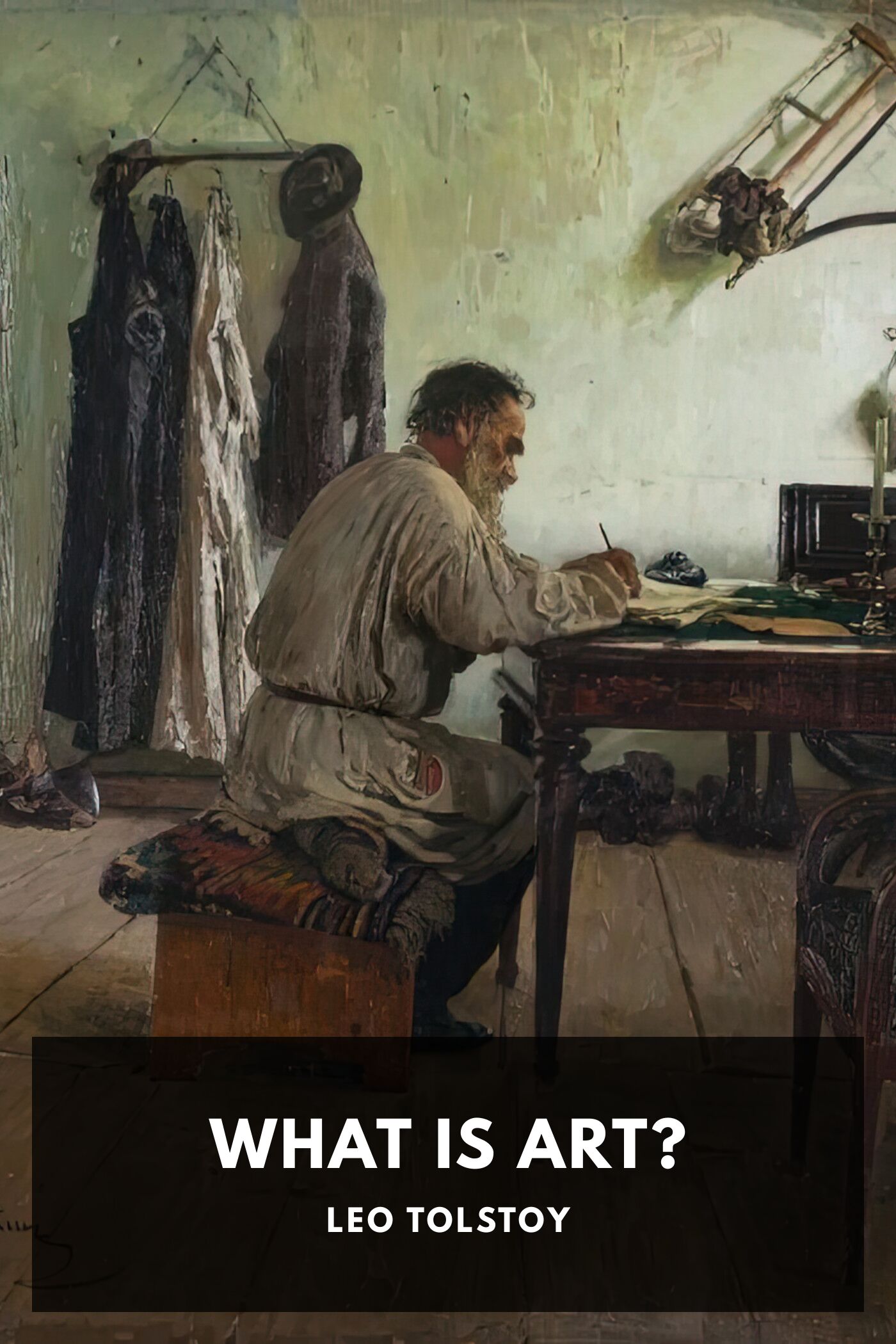
What Is Art? is an 1897 philosophical treatise by Leo Tolstoy that lays out his philosophy of aesthetics. Rejecting notions of aesthetics that center around beauty, Tolstoy instead posits that art is defined by its role in transmitting feelings between human beings. Furthermore, he argues that the quality of art is not assessed by the pleasure it gives, but whether the feelings the art evokes align with the meaning of life revealed by a given society’s religious perception. In line with his spiritual views set out in The Kingdom of God Is Within You , Tolstoy argues that the proper purpose of art is to transmit feelings of human unity and “to set up, in place of the existing reign of force, that kingdom of God, i.e. of love, which we all recognize to be the highest aim of human life.”
Tolstoy makes a number of unconventional aesthetic judgments in the course of the book, dismissing such works as Wagner’s operas, Romeo and Juliet , and his own past works like War and Peace and Anna Karenina as “bad art.” In turn, he praises such works as Dickens’ A Christmas Carol and Hugo’s Les Misérables as “examples of the highest art, flowing from the love of God and the love of man.”
Book Details
- Print length
- 280 pages
- Language
- English
- Publisher
- Standard Ebooks
- Publication date
- December 6, 2021
What Is Art?
Leo TolstoyMore from Leo Tolstoy



More from Nonfiction

The City of God
Augustine of Hippo

Narrative of the Life of Frederick Douglass
Frederick Douglass

The Interesting Narrative of the Life of Olaudah Equiano
Olaudah Equiano

Incidents in the Life of a Slave Girl
Linda Brent

The Diary
Samuel Pepys

The Autobiography of Benjamin Franklin
Benjamin Franklin

Personal Memoirs of Ulysses S. Grant
Ulysses S. Grant

The Prince
Niccolò Machiavelli

The Lives and Opinions of Eminent Philosophers
Diogenes Laërtius

Poetry
Voltairine de Cleyre