
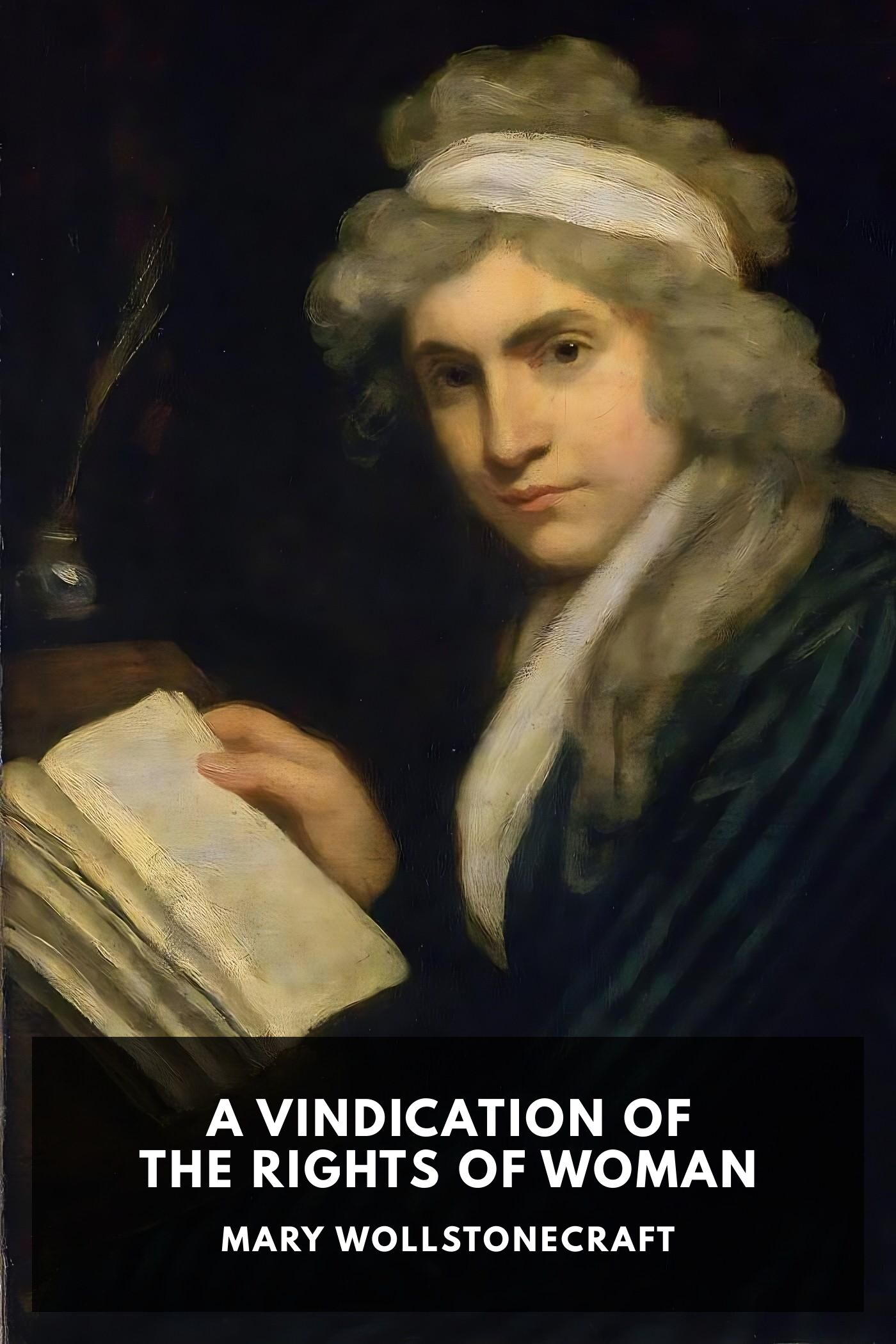
About this book
Written in the midst of the French Revolution and the British pamphlet war surrounding it, Mary Wollstonecraft wrote A Vindication of the Rights of Woman as an answer to a report by Charles Maurice de Talleyrand-Périgord, to whom her essay is dedicated. Talleyrand had reported to the French National Assembly on the topic of public education, and noted that women needed only enough education to suit them for the “paternal home.”
Wollstonecraft objected to this recommendation and, in this book, argues for the equal treatment of women in society, while still highlighting the differences between the sexes. Her argument touches on many topics, focusing extensively on the needs of educating women the same as men. She argues against either sex viewing women as mere ornamentation, and advocates for the substantive contributions educated women could make to society.
Though initially well-received, Wollstonecraft’s essay suffered in reputation after her husband, William Godwin, published a biography of her after her death. His details of her private life conflicted with the orthodoxy of the time, and cast a pall on her writing for nearly a century. Still, her work is viewed as having been influential on the women’s suffrage movement in the U.S. that began in the mid-19th century, and as a precursor to modern feminist philosophy.
Book Details
- Print length
- 303 pages
- Language
- English
- Publisher
- Standard Ebooks
- Publication date
- November 11, 2024
A Vindication of the Rights of Woman
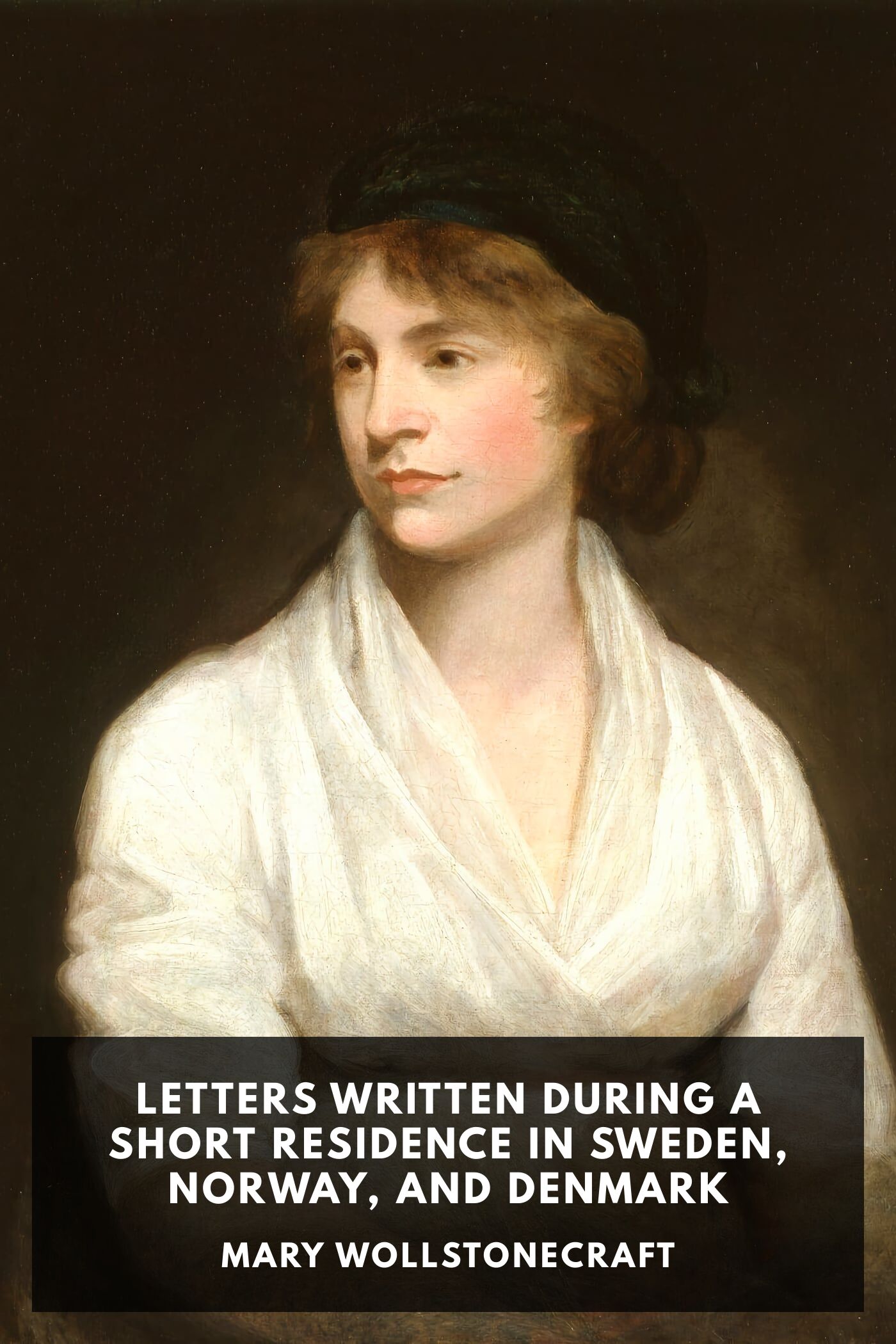
Mary WollstonecraftMore from Mary Wollstonecraft
More from Biography

Personal Memoirs of Ulysses S. Grant
Ulysses S. Grant

The Lives and Opinions of Eminent Philosophers
Diogenes Laërtius

Twelve Years a Slave
Solomon Northup

My Reminiscences
Rabindranath Tagore

Philosophical Works
René Descartes

A Negro Explorer at the North Pole
Matthew Henson

Wonderful Adventures of Mrs. Seacole in Many Lands
Mary Seacole

Essays
Henry David Thoreau

The Education of Henry Adams
Henry Adams
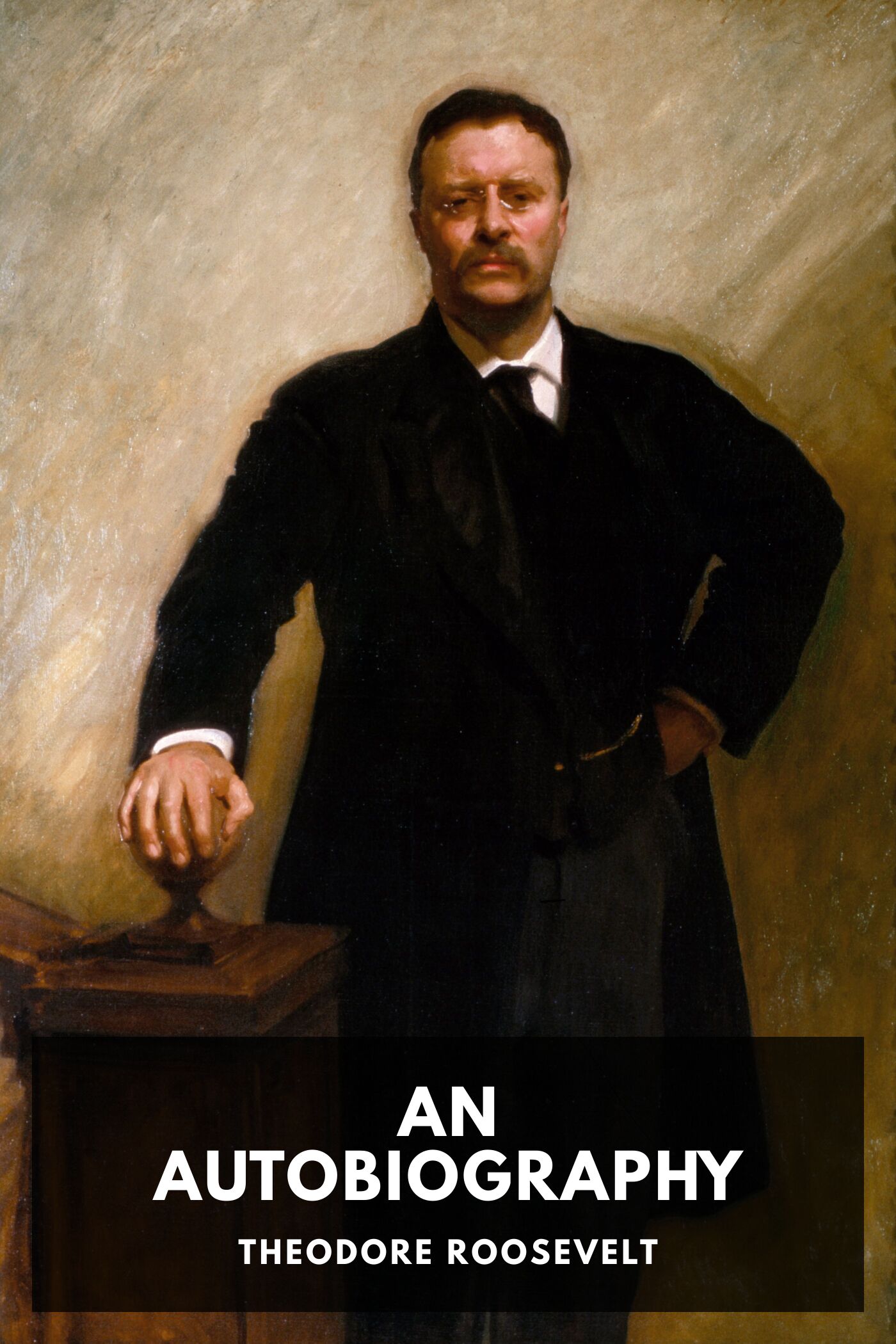
An Autobiography
Theodore Roosevelt