About this book
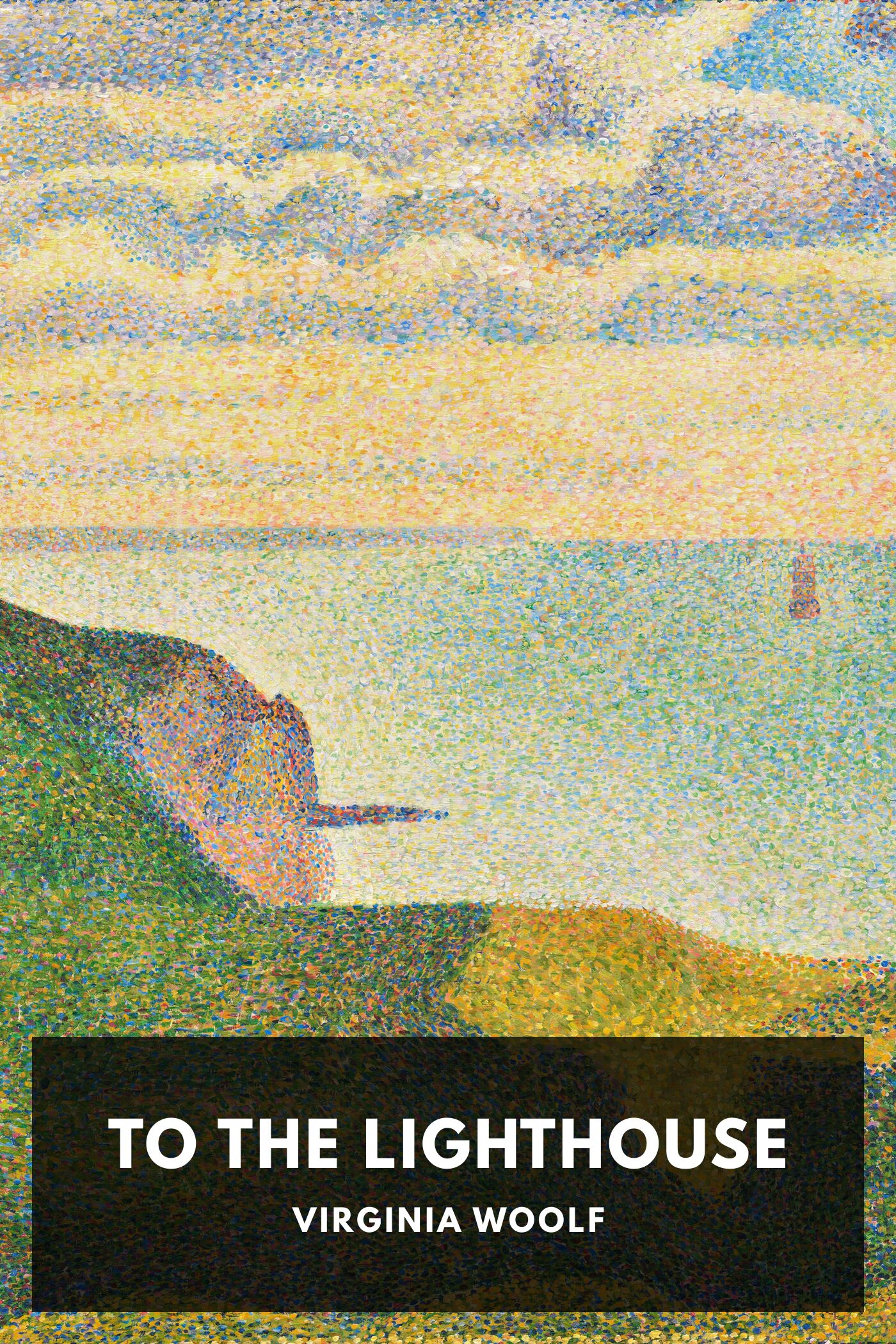
Set on an island off the Scottish coast, To the Lighthouse minutely examines the fleeting impressions of a large cast of family, friends, lovers, and hangers-on. Who can we be, Virginia Woolf invites us to ask, if no one can ever know our hearts—if they’re unknowable even to ourselves? To the Lighthouse remains one of the most important Modernist novels, exquisitely composed by one of the most gifted writers of the Modernist movement.
The opening section follows the passage of a day with a thwarted objective: to go to the nearby lighthouse. The concluding section revisits this expedition a decade later, when so much is irrevocably changed, as a chance to glimpse interpersonal understandings and connections. The novel provides a brilliant example of stream-of-consciousness writing, and raises questions that provoke us still: questions about whether children are the fullest realization of one’s posterity, how women artists are regarded socially, and how money and status enable—or close off—networks, relationships, and the dreams we hold most dear.
As masterful as its technique is, however, the lasting value of this novel for twenty-first-century readers may be its sharp representation of the emotional labor that people—particularly women—perform in order to manage the needs and expectations of others. Woolf wrote in an age when women’s participation in society was tightly restricted by class norms and stultifying domesticity. Nearly a century later, scholars still have a great deal to say about Mrs. Ramsay, Lily Briscoe, and the tension between Mr. Ramsay and his son James.
Woolf’s fifth novel, and one of her most successful books both critically and commercially, To the Lighthouse was originally published in 1927, simultaneously in England and the United States. Due to a quirk in the management and correction of the proofs, according to scholar Hans Walter Gabler, the two editions were “not identical, since in a significant number of instances Virginia Woolf marked up the first proofs differently” for her two publishers. The Standard Ebooks edition is based primarily on the Hogarth UK edition.
Book Details
- Print length
- 254 pages
- Language
- English
- Publisher
- Standard Ebooks
- Publication date
- January 1, 2023
To the Lighthouse
Virginia WoolfMore from Virginia Woolf

More from Children's

Alice’s Adventures in Wonderland
Lewis Carroll

The Wonderful Wizard of Oz
L. Frank Baum

Kidnapped
Robert Louis Stevenson

The Prince and the Pauper
Mark Twain

The Railway Children
E. Nesbit

Anne of Green Gables
L. M. Montgomery

Fables
Aesop

Short Fiction
Beatrix Potter

Black Beauty
Anna Sewell

Through the Looking-Glass
Lewis Carroll