

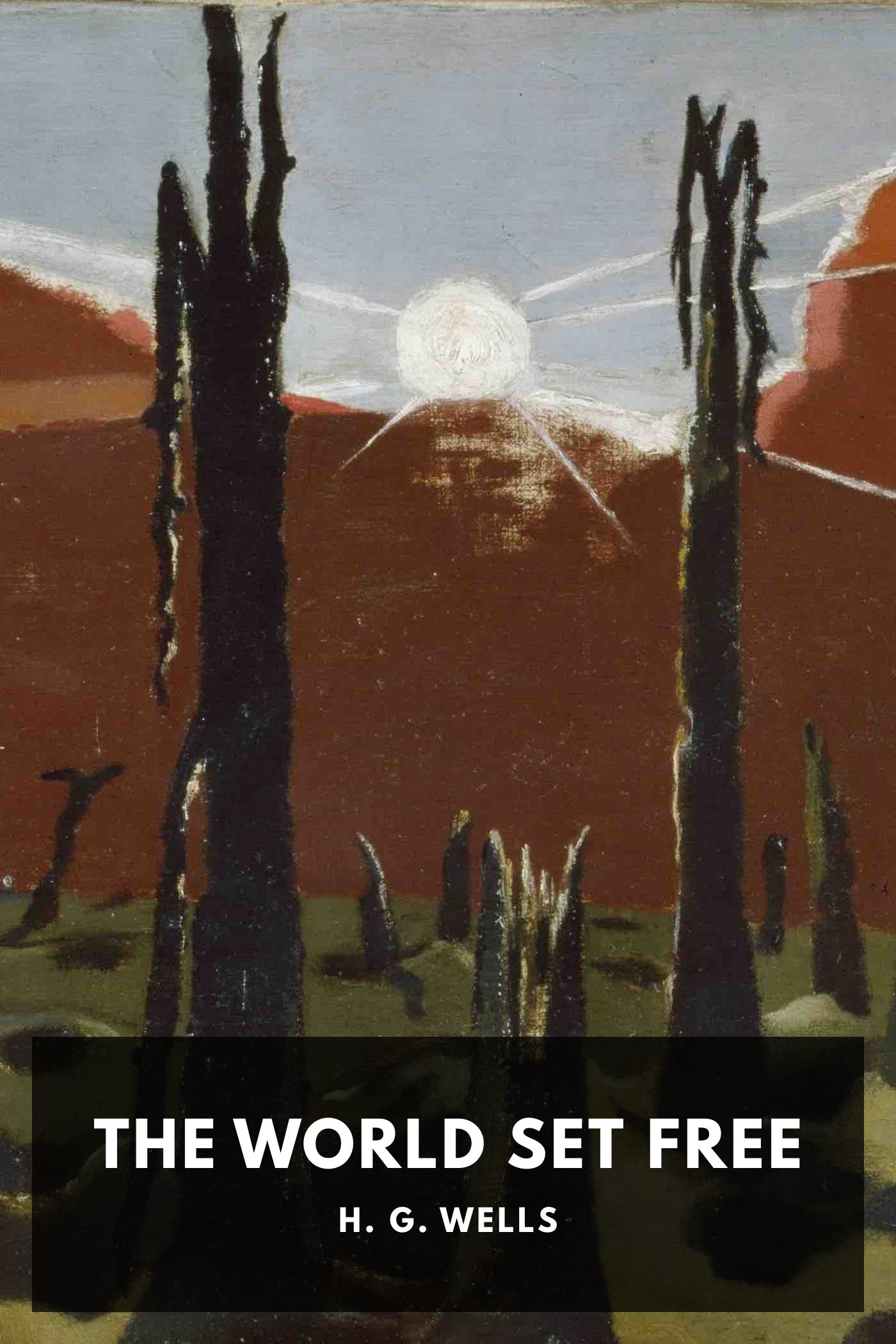
About this book
After learning of atomic physics, H. G. Wells began to think of its potential impact on human society. In The World Set Free , atomic energy causes massive unemployment, shaking the already fragile social order. The ambitious powers of the world decide to seize the opportunity to compete for dominance, and a world war breaks out, echoing the looming Great War about to ignite in 1914. Waking to the catastrophe, humanity begins the hard search for a way into a better future. The novel traces a soldier, an ex-king, a despot, and a sage through a profound transformation of human society, and we gain a window into Wells’ own thoughts and hopes along the way.
With one prophetic stroke, Wells gives the first detailed depiction of atomic energy and its potential destructive power, and predicts the use of the air power in modern warfare. He may have even directly influenced the development of nuclear weapons, as the physicist Leó Szilárd, shortly after reading the novel in 1932, then conceived of harnessing the neutron chain reaction critical to the development of the atom bomb.
Book Details
- Print length
- 236 pages
- Language
- English
- Publisher
- Standard Ebooks
- Publication date
- March 14, 2021
The World Set Free
H. G. WellsMore from H. G. Wells


More from Fiction

Moby Dick
Herman Melville

A Room With a View
E. M. Forster

Crime and Punishment
Fyodor Dostoevsky

Alice’s Adventures in Wonderland
Lewis Carroll

The Count of Monte Cristo
Alexandre Dumas

Middlemarch
George Eliot

The Blue Castle
L. M. Montgomery

The Adventures of Sherlock Holmes
Arthur Conan Doyle

Jane Eyre
Charlotte Brontë

The Mysteries of Udolpho
Ann Radcliffe