
About this book
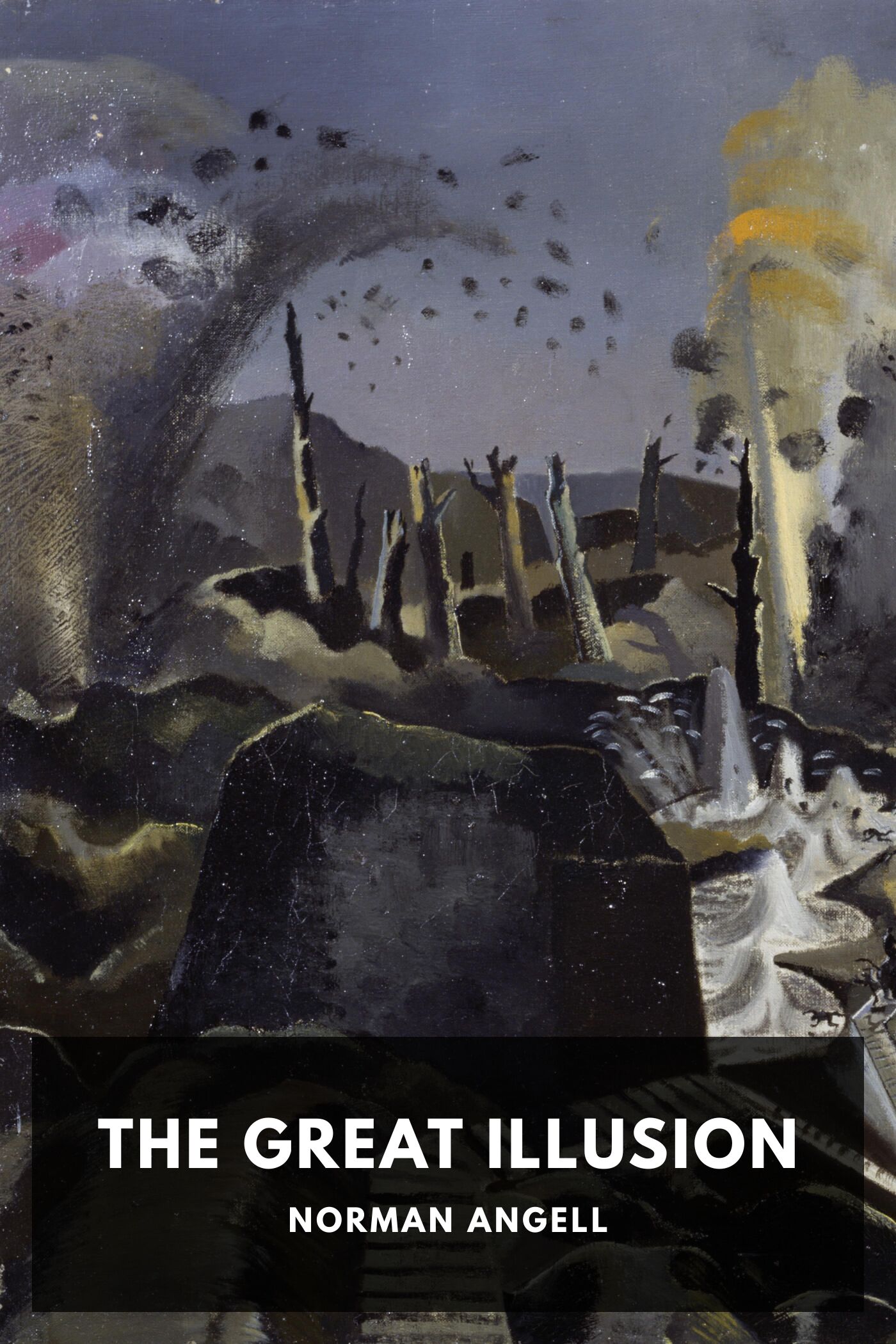
The Great Illusion challenges the deeply ingrained theory that military dominance secures national wealth and prosperity. Norman Angell argues that human development has reached a critical turning point where the traditional spoils of war—territory, trade, and tribute—are no longer attainable through force. In a global system defined by complex financial and commercial interdependence, a nation cannot capture the wealth of a rival without simultaneously destroying the credit-built foundation of its own economy. Angell doesn’t claim that military conflict is impossible, but rather that war is fundamentally futile for securing the material or moral needs of civilized societies.
Drawing on economic data, Angell demonstrates how the prosperity of small, militarily weak nations often surpasses that of great empires, concluding that raw political power is economically irrelevant. He explains how the modern intangibility of wealth and the autonomous nature of colonies render traditional empire-building an expensive, self-defeating endeavor. The book critiques early twentieth-century militarism and advocates for a global political reformation: one that replaces the destructive pursuit of military supremacy with international cooperation rooted in mutual economic self-interest.
Book Details
- Print length
- 357 pages
- Language
- English
- Publisher
- Standard Ebooks
- Publication date
- May 21, 2026
The Great Illusion
Norman AngellMore from Fiction

Moby Dick
Herman Melville

A Room With a View
E. M. Forster

Crime and Punishment
Fyodor Dostoevsky

Alice’s Adventures in Wonderland
Lewis Carroll

The Count of Monte Cristo
Alexandre Dumas

Middlemarch
George Eliot

The Blue Castle
L. M. Montgomery

The Adventures of Sherlock Holmes
Arthur Conan Doyle

Jane Eyre
Charlotte Brontë

The Mysteries of Udolpho
Ann Radcliffe