
About this book
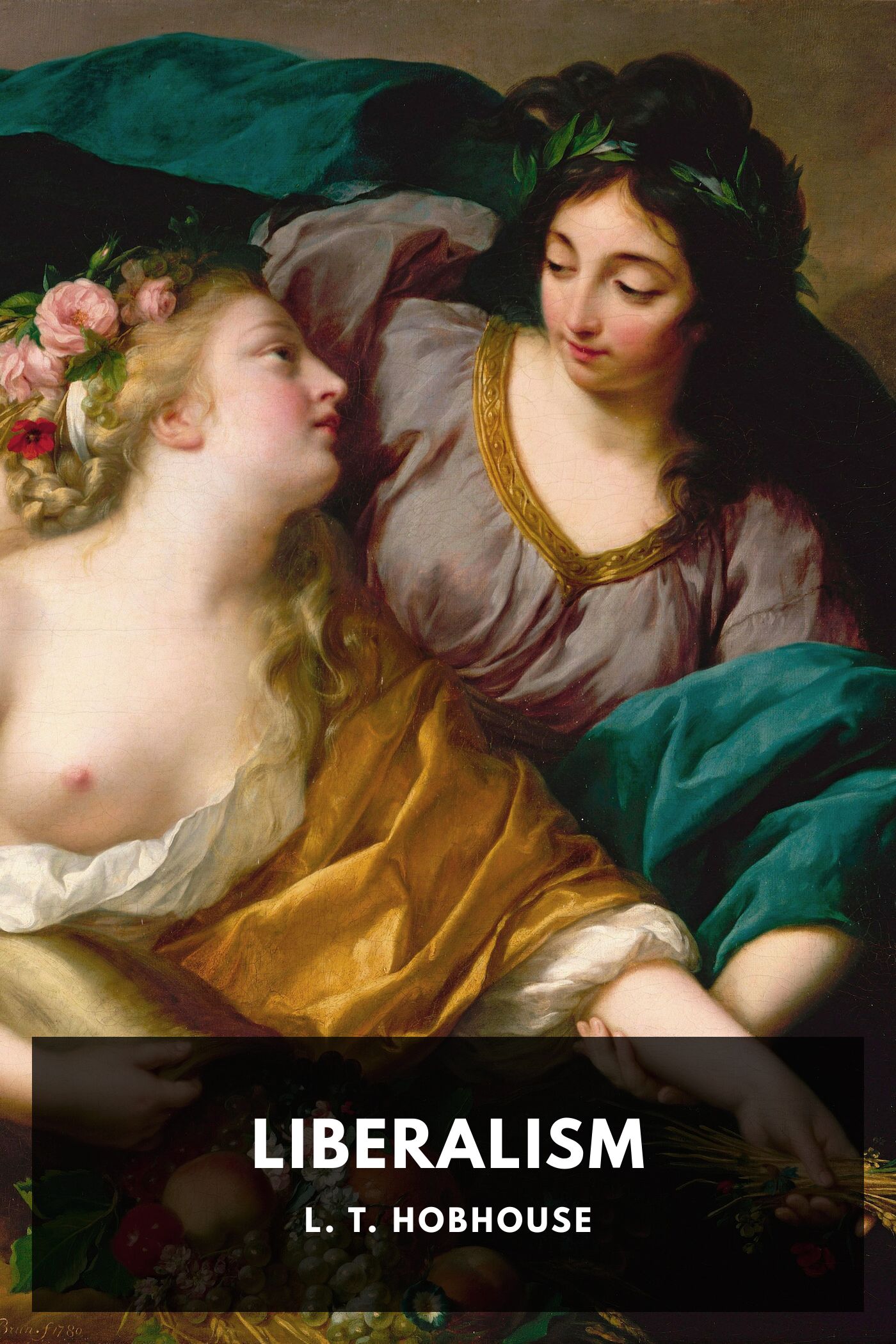
In Liberalism , L. T. Hobhouse explains the philosophy of what he calls “liberal socialism.” Liberalism, as Hobhouse defines it, is the freedom from coercion. Crucially, this means freedom not only from government coercion, but from all forms of coercion, including economic coercion. It’s important that everyone is free to grow and develop their own individuality within society, but the government has the ultimate responsibility to ensure that one individual’s freedom is not used to limit the freedom of another.
The socialist aspect of the philosophy is the belief that people are not purely self-serving and are capable of voluntarily exercising restraint when needed in order to help society flourish. Viewed through this lens, liberty and equality are not in competition, but rather go hand in hand. In a liberal socialist society, “any common life based on the avoidable suffering even of one of those who partake in it is a life not of harmony, but of discord.”
Tracing the history of the idea of liberalism, from pre-liberal societies, to the philosophies forged in the French and American revolutions, to the concept of socialism expounded by John Stuart Mill , Hobhouse defends the progress of liberalism, while asking what the future of liberalism should look like.
Book Details
- Print length
- 174 pages
- Language
- English
- Publisher
- Standard Ebooks
- Publication date
- June 22, 2022
Liberalism
L. T. HobhouseMore from Fiction

Moby Dick
Herman Melville

A Room With a View
E. M. Forster

Crime and Punishment
Fyodor Dostoevsky

Alice’s Adventures in Wonderland
Lewis Carroll

The Count of Monte Cristo
Alexandre Dumas

Middlemarch
George Eliot

The Blue Castle
L. M. Montgomery

The Adventures of Sherlock Holmes
Arthur Conan Doyle

Jane Eyre
Charlotte Brontë

The Mysteries of Udolpho
Ann Radcliffe