

About this book
The setting of A Passage to India is the British Raj, at a time of racial tension heightened by the burgeoning Indian independence movement. Adela Quested, a young British subject, is visiting India to decide whether to marry a suitor who works there as a city magistrate. During her visit, a local physician, Aziz, is accused of assaulting her. His trial brings tensions between the British rulers and their Indian subjects to a head.
The novel is a complex exploration of colonialism, written at a time when the popular portrayal of the Indian continent was of mystery and savagery. Forster humanized the Indian people for his at-home British audience, highlighting the damage that colonialism caused not just to interpersonal relationships, but to society at large. On the other hand, some modern scholars view the failure of the human relationships in the book as suggesting a fundamental “otherness” between the two cultures: a gulf across which the disparate cultures can only see each other’s shadows. In any case, the novel generated—and continues to generate—an abundant amount of critical analysis.
A Passage to India is the last novel Forster published in his lifetime, and it frequently appears in “best-of” lists of literature: The Modern Library selected it as one of its 100 great works of the 20th century , Time magazine included it in its “All Time 100 Novels” list, and it won the 1924 James Tait Black Memorial Prize for fiction .
Book Details
- Print length
- 367 pages
- Language
- English
- Publisher
- Standard Ebooks
- Publication date
- May 24, 2020
A Passage to India
E. M. ForsterScene Gallery
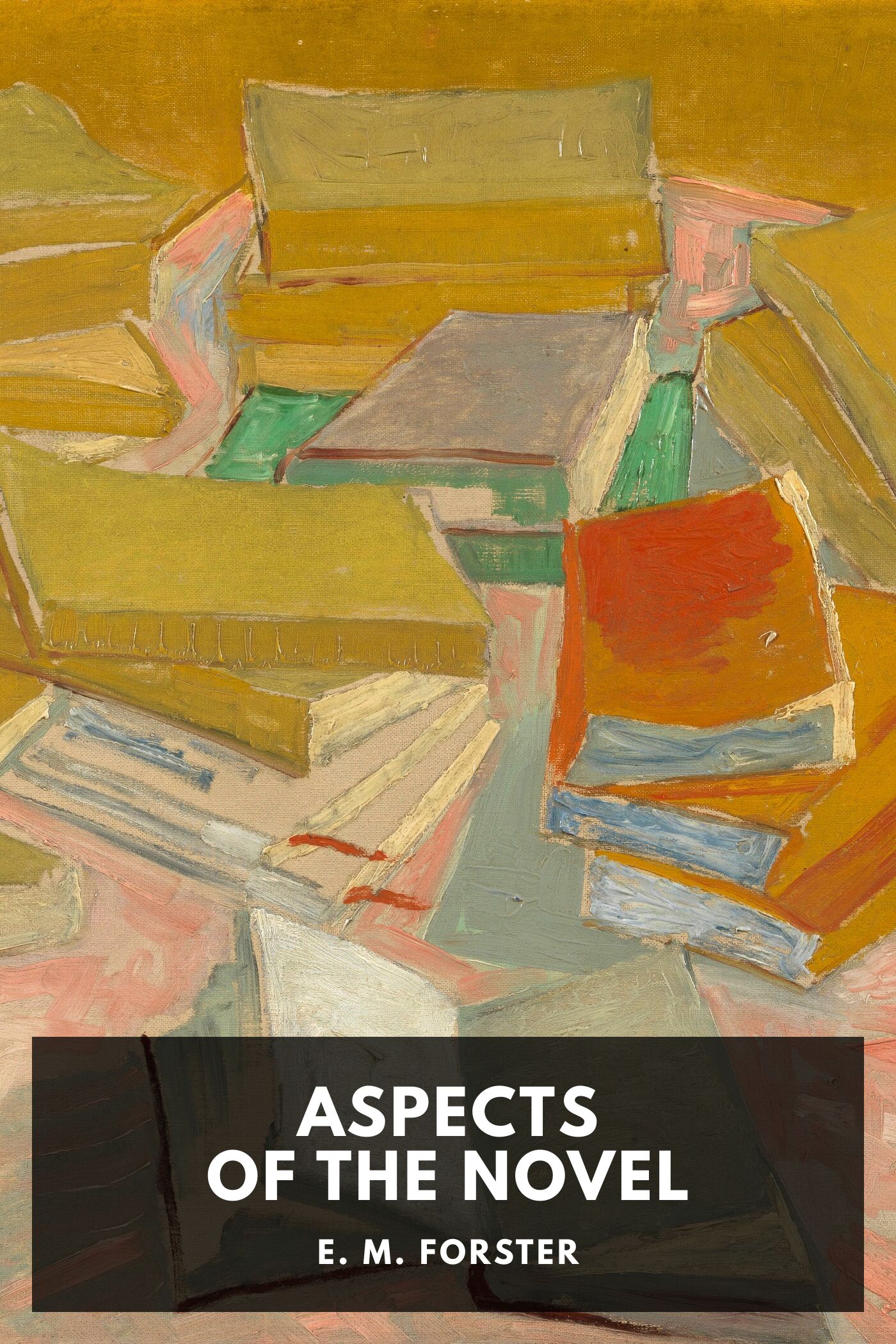
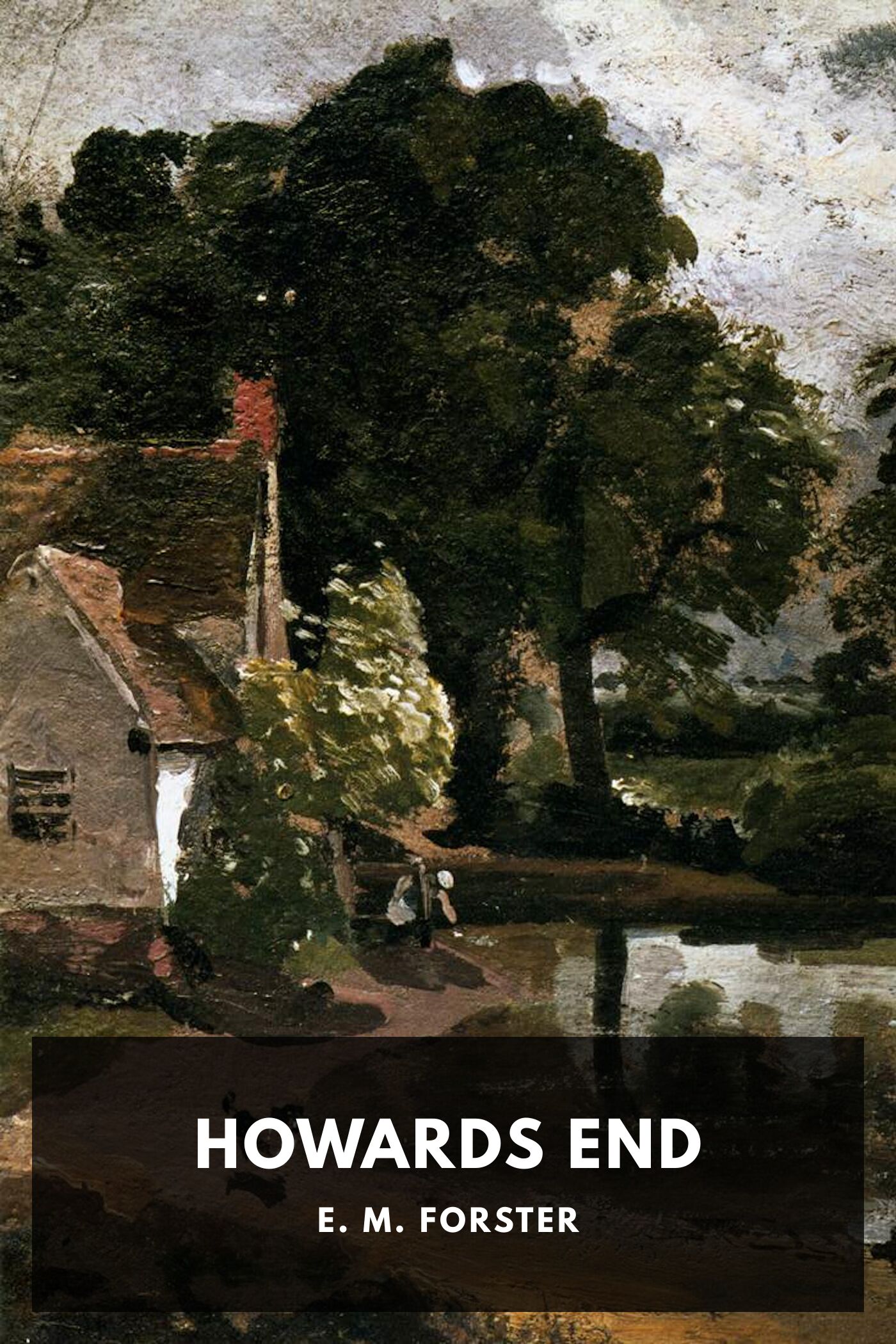
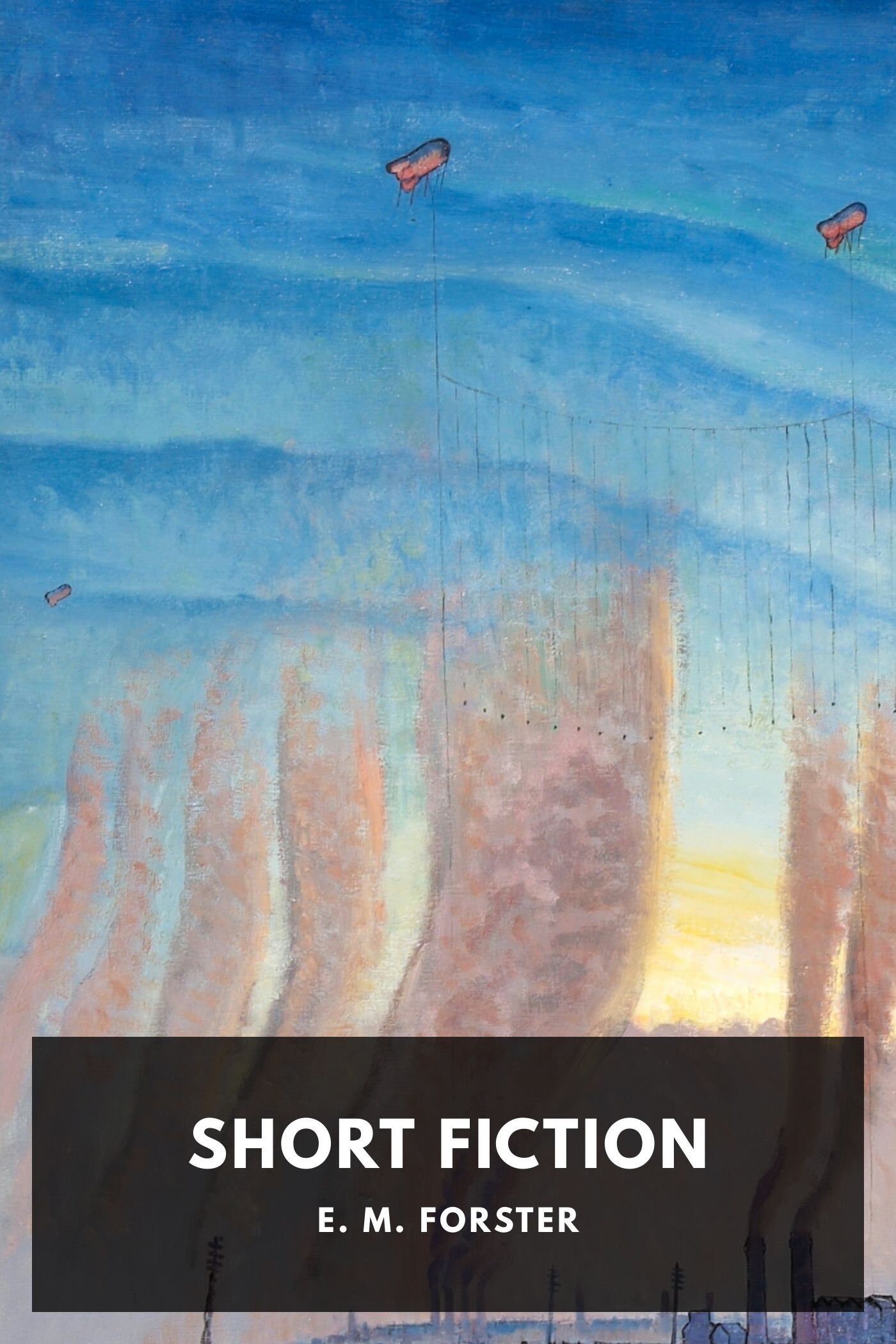
More from E. M. Forster
More from Fiction

Moby Dick
Herman Melville

A Room With a View
E. M. Forster

Crime and Punishment
Fyodor Dostoevsky

Alice’s Adventures in Wonderland
Lewis Carroll

The Count of Monte Cristo
Alexandre Dumas

Middlemarch
George Eliot

The Blue Castle
L. M. Montgomery

The Adventures of Sherlock Holmes
Arthur Conan Doyle

Jane Eyre
Charlotte Brontë

The Mysteries of Udolpho
Ann Radcliffe